Reflections during Hispanic Heritage Month
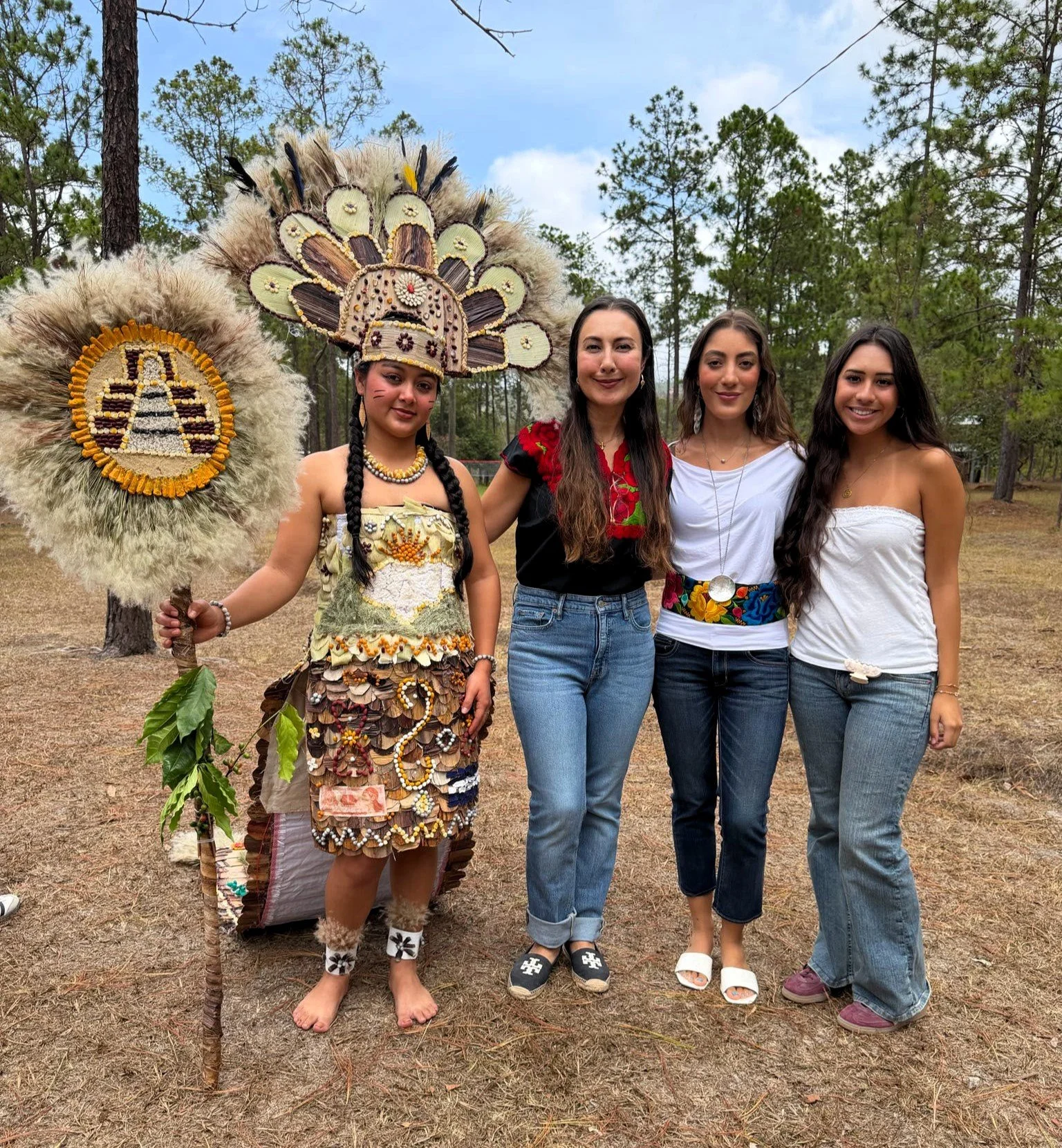
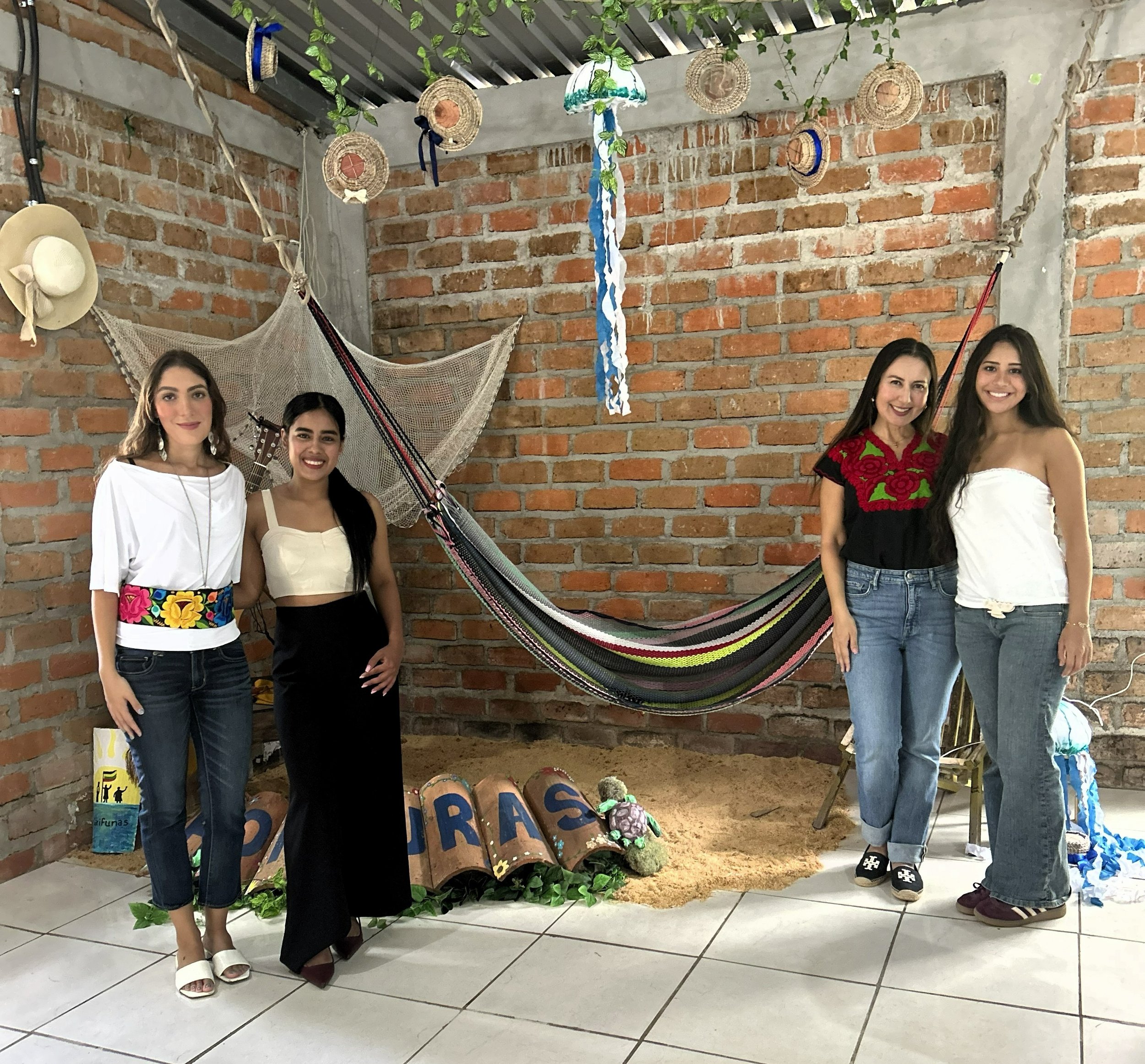
Ana Lucía Torres Pérez (second from right) with her mom, sister, and a student dressed as India Bonita for Independence Day
By Ana Lucía Torres Pérez
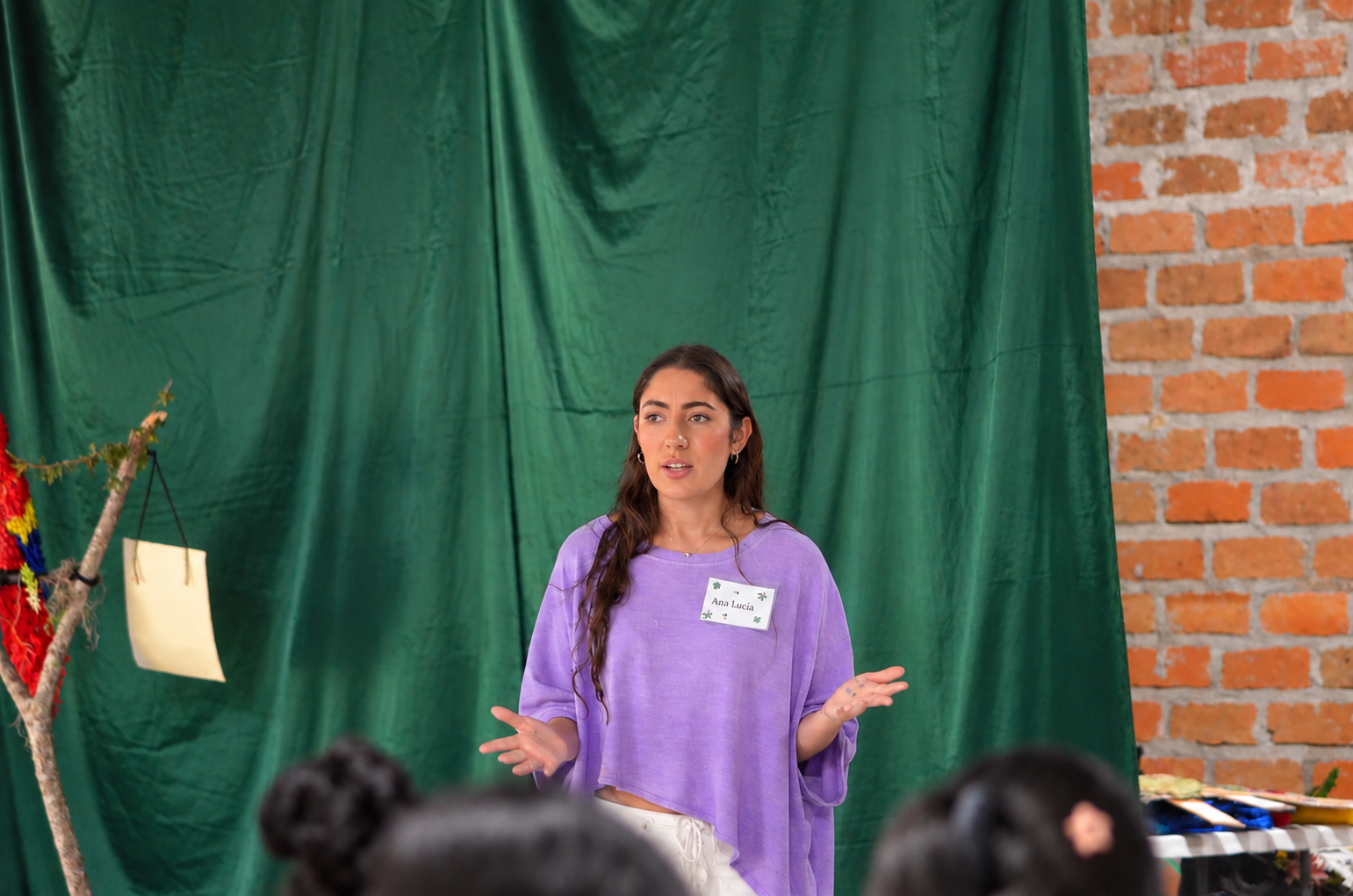
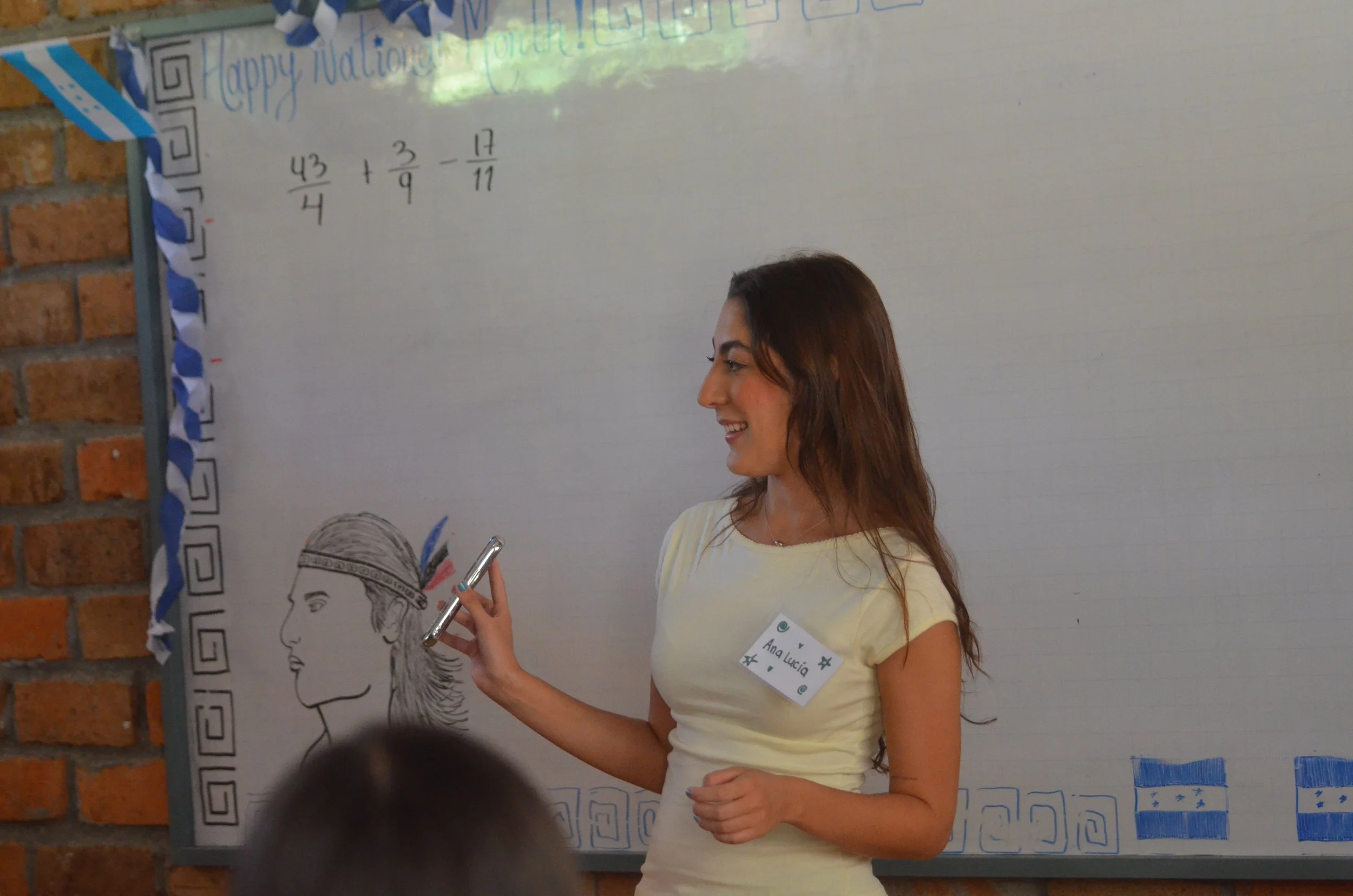
Ana Lucía Torres Pérez recently visited The Leadership Center during Honduran Independence Day celebrations. During her service trip, she co-led a seminar on gender-based violence, drawing on her own experience in Mexico. In recognition of Hipanic Heritage Month, we invited Ana Lucía to reflect on what she experienced at LMI—and on what it means to build change across borders.
What do we inherit, and what do we build from it?
During my week at Leadership Mission International, I kept returning to one question: What becomes possible when we stop thinking of change as something we create alone?
As a Mexican woman visiting Honduras, I found many things I recognized. Not because our countries or experiences are that similar, but because histories cross borders. There are joys we can recognize in one another: food, music, family, traditions, the ease of gathering around a table. But there are also wounds that repeat themselves across Latin America: inequality, migration, poverty, and violence against women.
Hispanic Heritage Month asks us to remember where we come from. I think it can also invite a more difficult question: What do we do with what we have inherited?
Heritage is not static. We receive traditions and knowledge, but we also inherit inequalities, silences, and ideas about gender and power. We have to decide what deserves to be carried forward and what we have a responsibility to transform.
From voice to responsibility
On our first day at The Leadership Center, I co-led a seminar about gender-based violence. We discussed the normalization of violence against women, the institutions that continue to fail them, and the importance of refusing to treat violence as inevitable.
We talked about raising our voices, something that connected naturally with LMI’s idea of developing a “strong voice.” But I left thinking about voice differently.
Having a voice is not only the ability to speak. It also carries the responsibility to listen.
What happens when a woman trusts us with her story? Do we believe her? Do we stay with the discomfort of what she is telling us, or do we look away? And once we recognize an injustice, what responsibility do we have to respond?
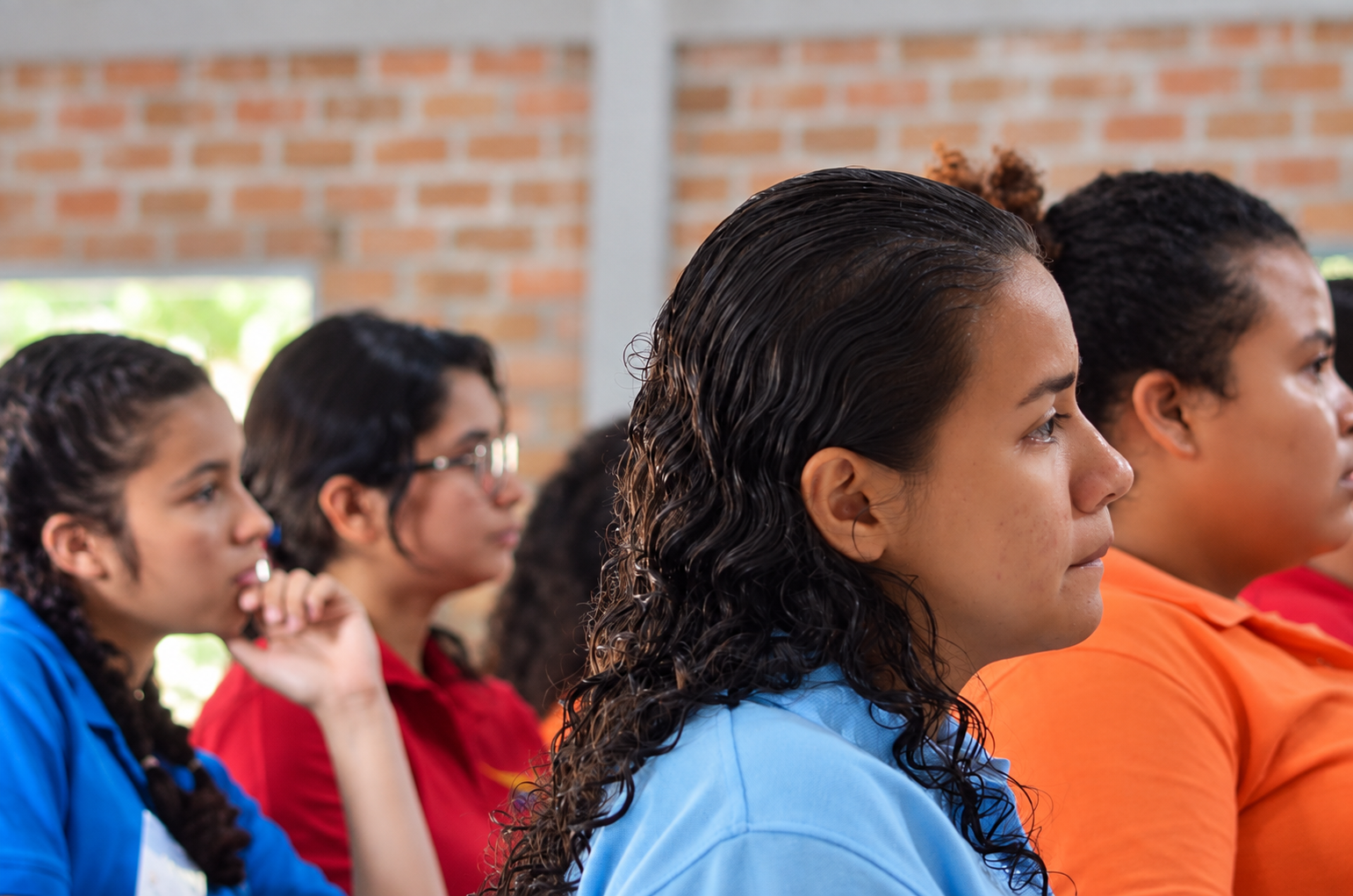
Some students shared experiences of violence that had touched their own families. There were tears and difficult conversations, but the conversation did not end when the seminar did. Students, teachers, and volunteers returned to it throughout the week.
It was a reminder that activism does not necessarily begin with a protest or a microphone. Sometimes it begins with the decision to stay present, to refuse indifference in the face of violence.
And perhaps that is where voice becomes community.
Community is a practice
Throughout the week, I watched that idea take shape in everyday life at the Center.
Students helped one another, celebrated one another, shared responsibilities, and made space for difficult experiences. What struck me was that strength did not seem to require pretending those experiences had never happened. Instead, there was room to reflect on them, understand them, and ask what could be created from them.
That challenged the individualistic way we often understand resilience. Healing does not have to mean quietly overcoming something on our own. It can happen in relationship with others.
The same is true of leadership.
We often live within systems that teach us to understand success through competition: there are limited opportunities, so getting ahead means someone else stays behind. Leadership then becomes associated with status, authority, or individual achievement.
At The Leadership Center, I saw another possibility: leadership as responsibility toward one another. The question shifts from How far can I go? to How do we move forward together?
Practicing the world we imagine
That ethic of interdependence extended beyond relationships and into the way the campus itself operates. Food is grown and shared. Scraps become compost. Materials are reused. Students care for the spaces they inhabit. Education, community, and the land are woven into everyday life.
None of these practices alone will solve the enormous inequalities surrounding us. But that is precisely what stayed with me.
When we look at violence, inequality, environmental destruction, and growing social disconnection, imagining another kind of society can feel almost impossible. Yet social change is not only something that happens at the level of governments or institutions. It is also practiced through the relationships and communities we create every day.
That brought me back to the question I carried throughout the week.
What do we do with what we inherit?
We question it. We keep what nourishes us. We challenge what harms us. We speak, but we also listen. We turn individual pain into collective responsibility and individual leadership into community.
Perhaps change begins there: by practicing, together, small versions of the world we keep saying we want to live in.
That is what I want to celebrate this Hispanic Heritage Month: not only what we inherit across countries, generations, and cultures, but what we choose to build from it.
When we meet one another with curiosity, recognize what connects us, learn from what makes us different, and take responsibility for one another, we begin to imagine—and practice—what we can build together.