What Grows When a Young Woman Leads
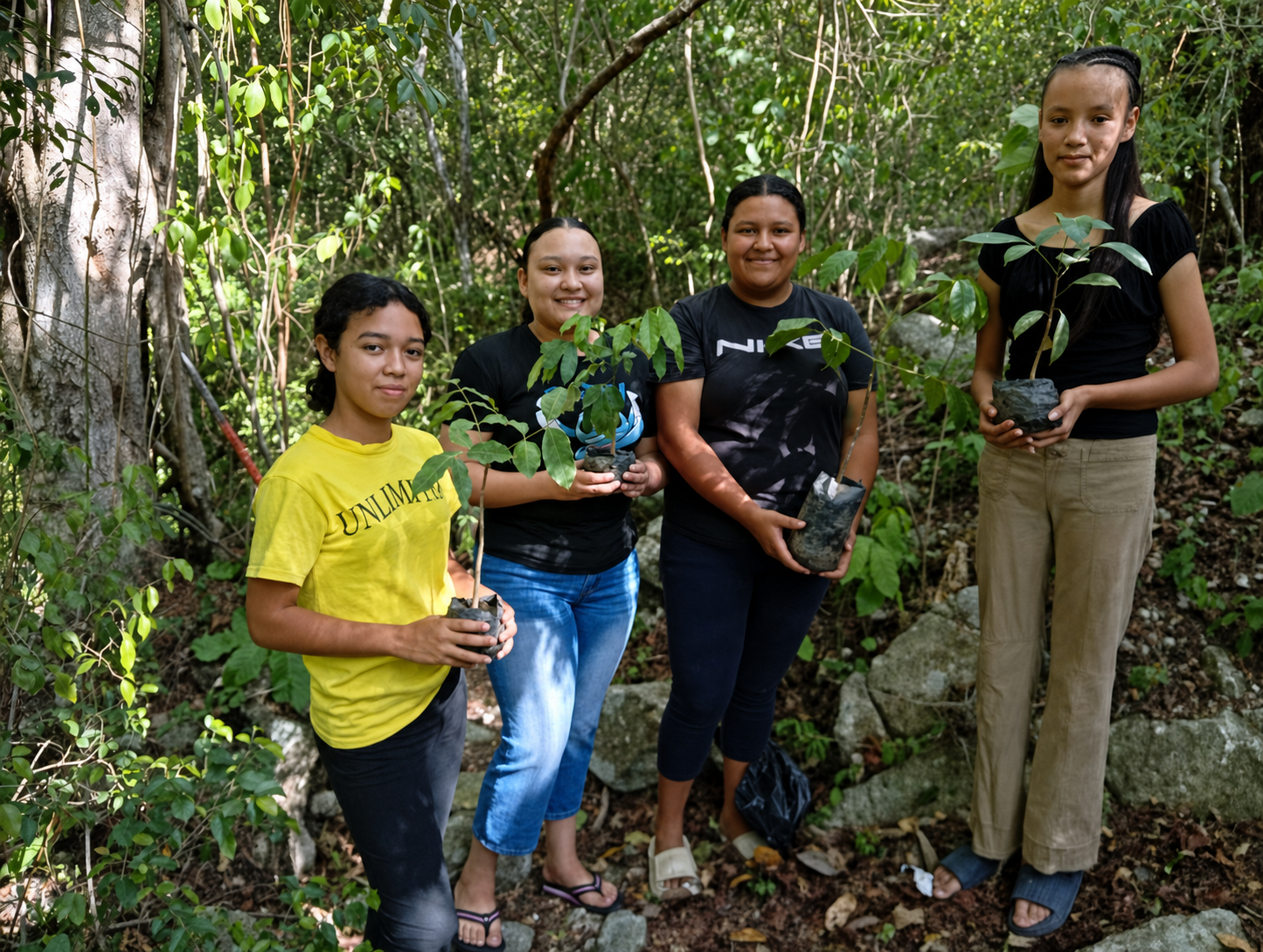
Mirian’s project began with a water source, a few young helpers, and the belief that caring for a community starts close to home.
When Mirian returned home during vacation, she did not arrive with a large team or an elaborate solution. She began with something her community already depended on: water.
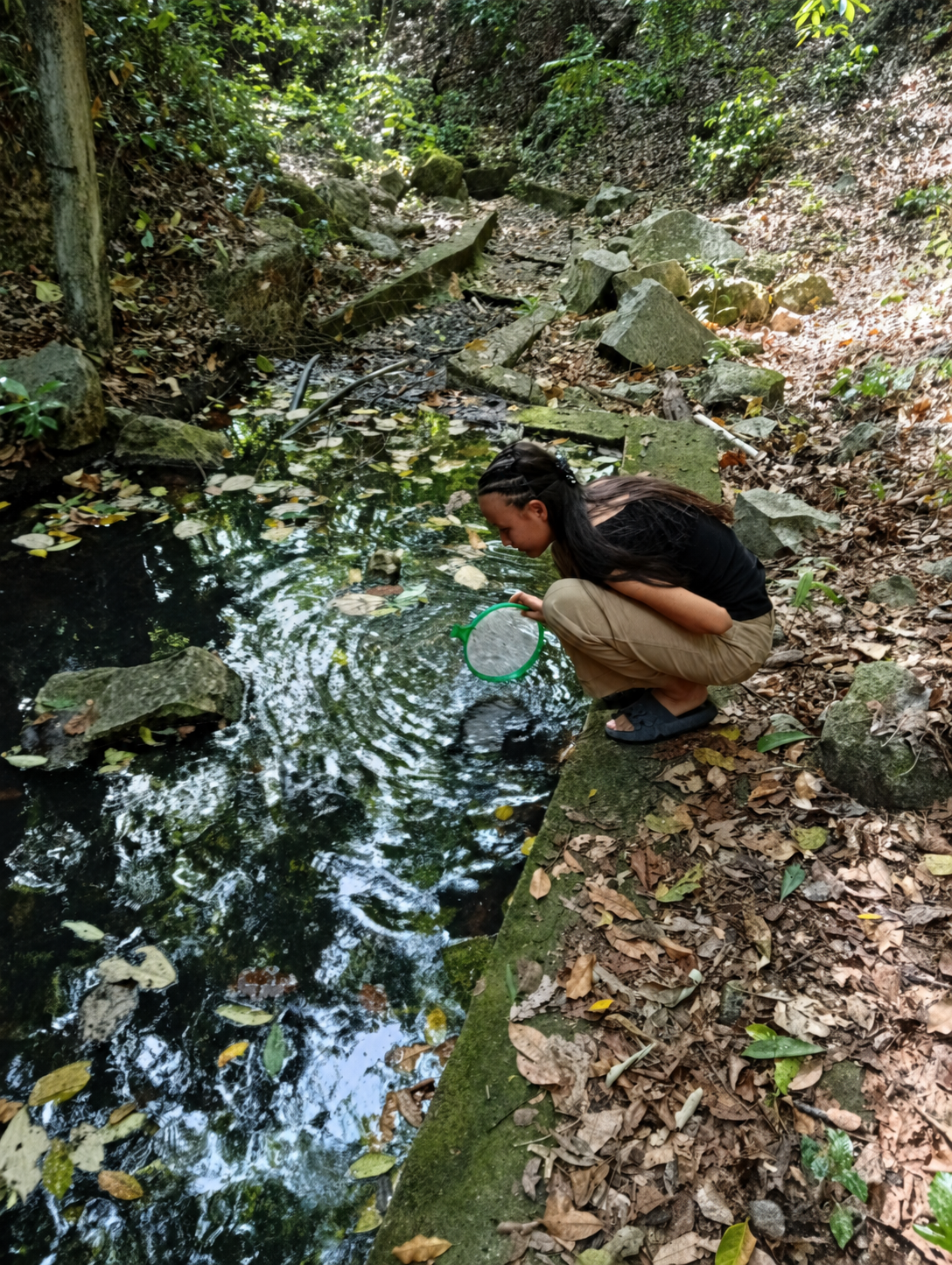
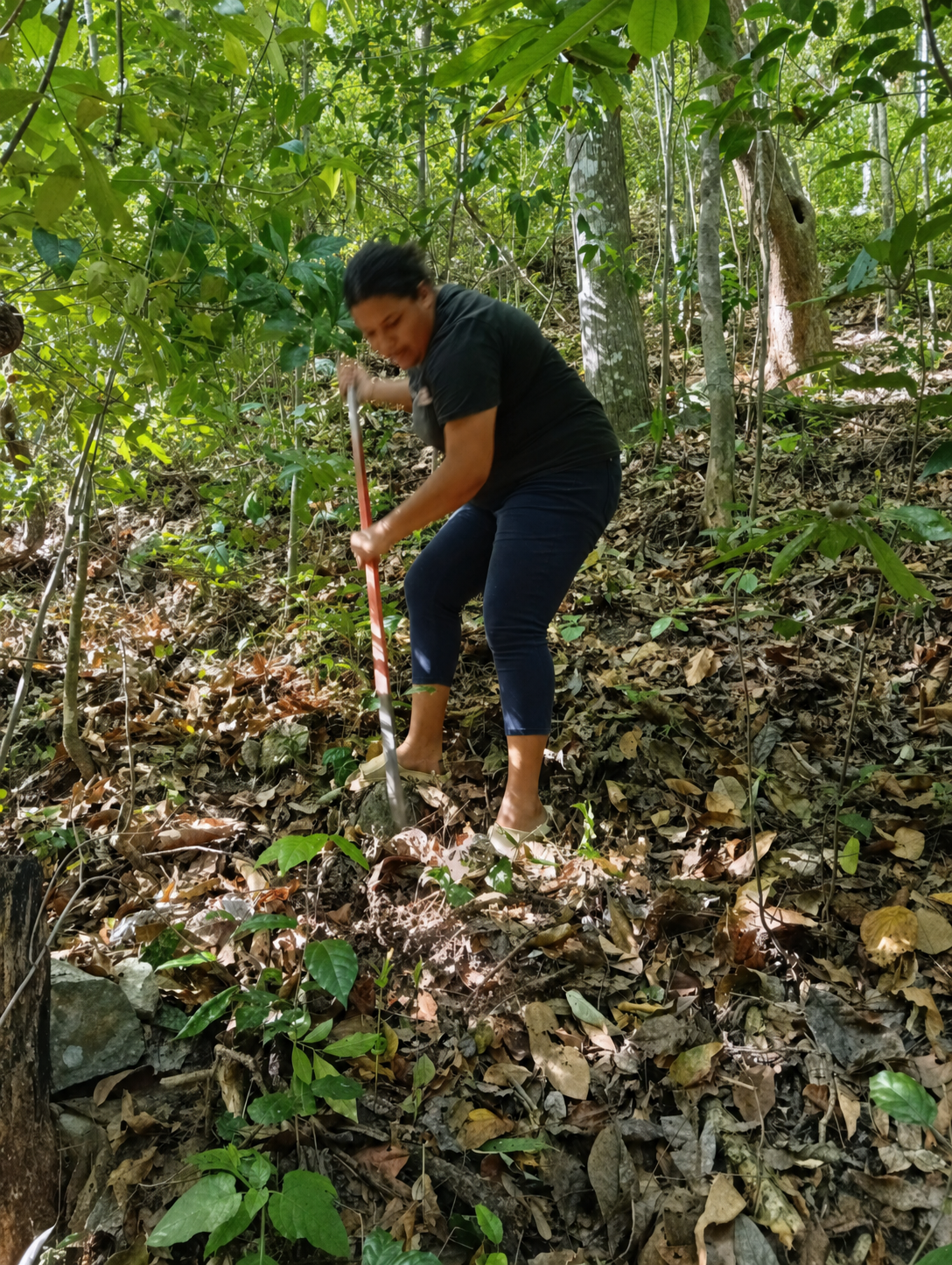
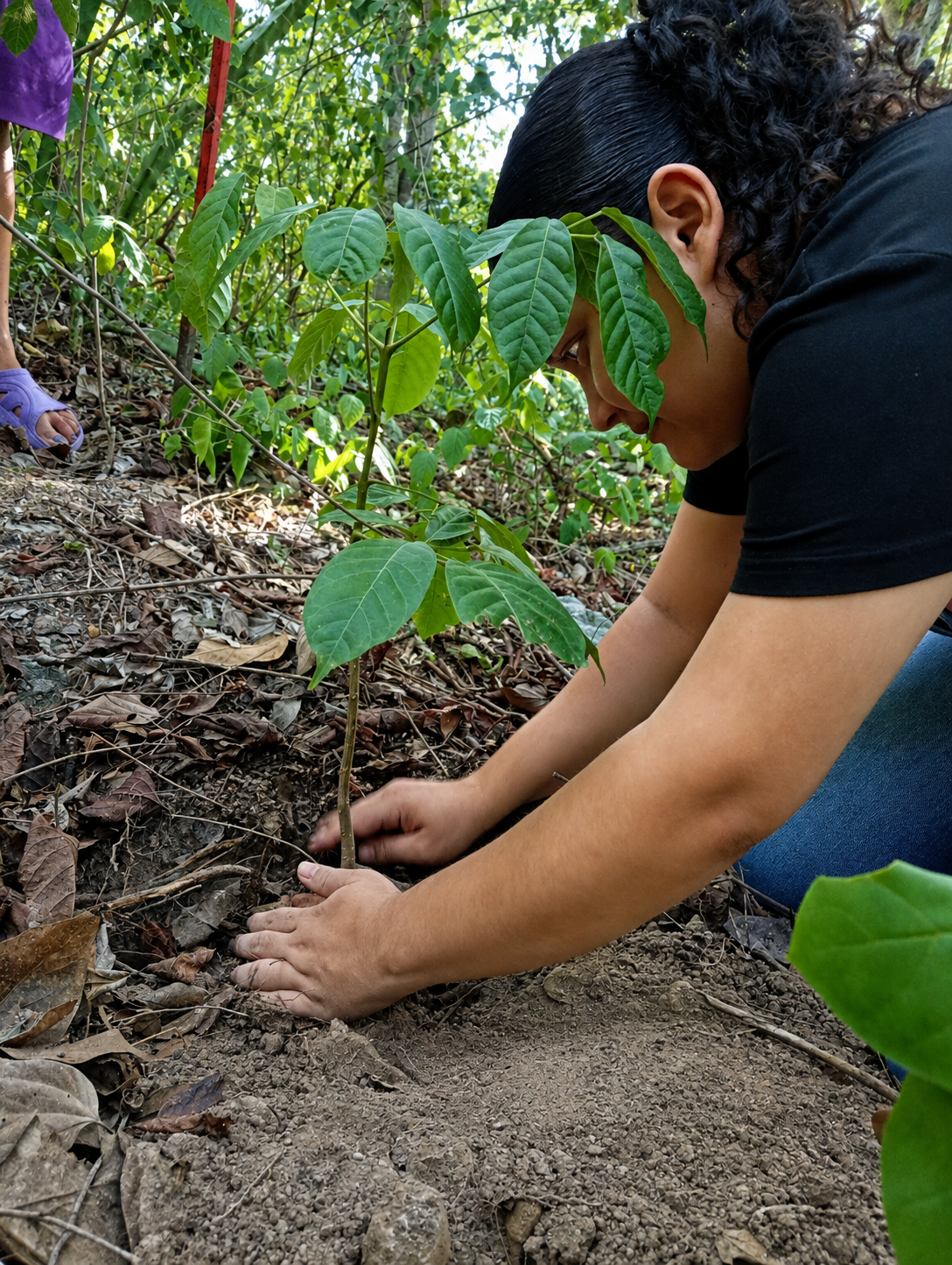
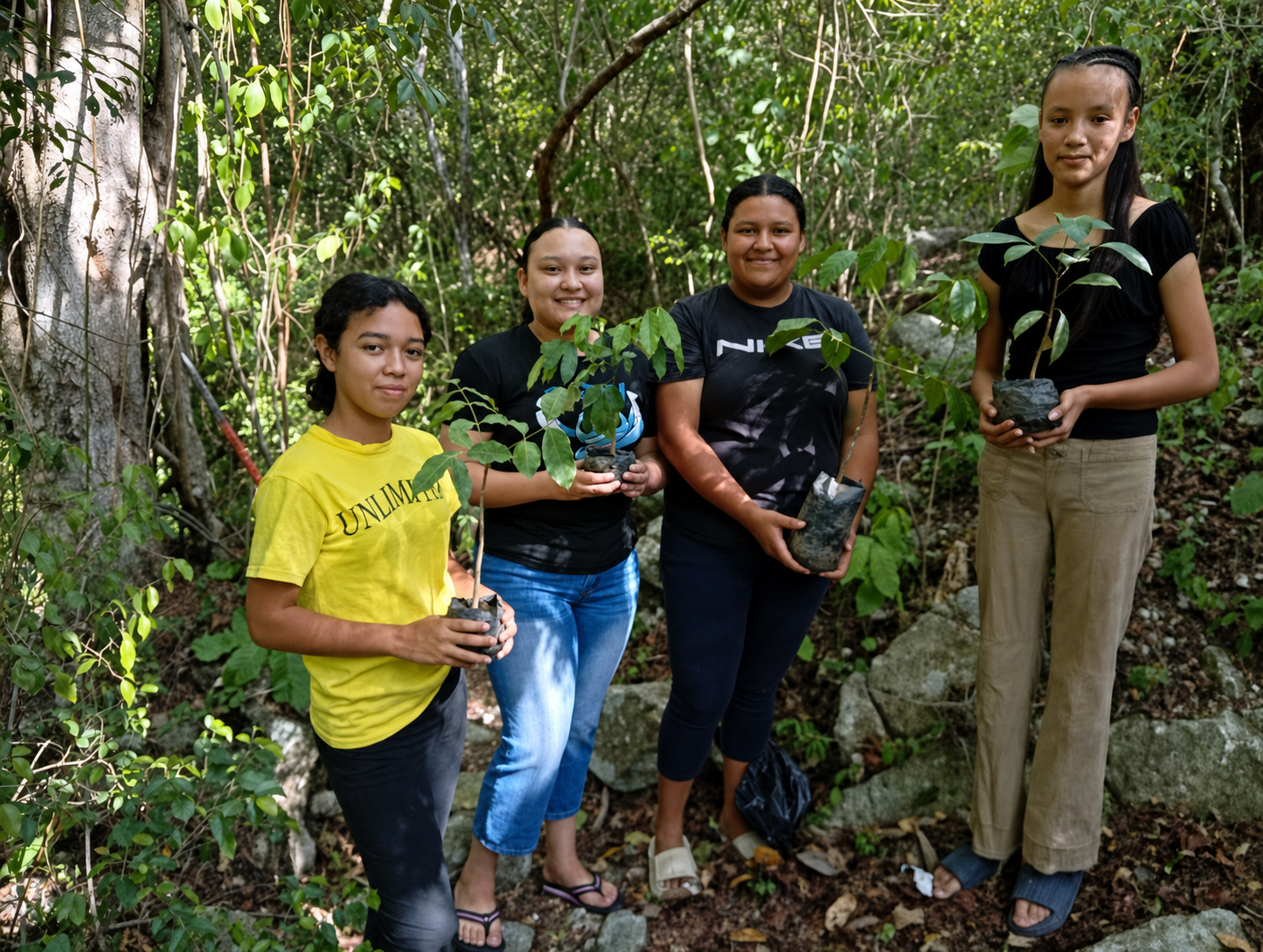
Mirian wanted to help protect a local water source, so she invited three girls and her mother to join her in planting trees nearby. Together, they placed new life into the ground—an act of care for the families who rely on that water today and for those who will rely on it in the future.
The need behind Mirian’s project is urgent. Honduras’s forest cover declined from 6.78 million hectares in 2000 to 6.36 million in 2020—a loss of roughly 420,000 hectares. Fires, illegal logging, fuelwood collection, and the clearing of land for agriculture and cattle ranching all contribute to the degradation. When trees disappear from the land around a spring or stream, rain runs off more quickly instead of soaking into the soil. Exposed ground erodes, carrying sediment into the water. Planting trees helps hold that soil in place, slow runoff, and protect water quality over time. (World Bank; UNEP)
The scale of Honduras’s environmental challenges can make individual action feel small. Mirian, a 20-year-old from a rural community, might not ordinarily be included in conversations about protecting watersheds. Yet she understood the stakes firsthand: she knew what it was like to go without enough water to drink or wash clothes. At LMI, she had gained the skills and confidence to believe she could do something about it. So she started where she could—by planting trees and inviting others to join her.
Through this initiative, Mirian stepped into a new role in a place where people already knew her—not as an outside expert, but as a daughter of the community willing to gather others around a shared responsibility.
Leadership takes root close to home
At Leadership Mission International, students learn that community development does not begin by assuming they know what people need. It begins by listening, noticing, and building from the knowledge and relationships already present in a community.
During their first quarter as second-year students, the women of Cohort 16 had the chance to practice that kind of leadership in their own communities. Each student chose a need she understood and designed a response that made sense in that particular place.
For Mirian, that meant trees and water. For another student, it meant creating a safe space where children could speak about their emotions and recognize the value of their own voices. Others worked with women to turn discarded plastic bottles into gardens, invited neighbors to clean shared spaces, taught practical health lessons, shared skills that could support a small business, or brought people together around food, culture, and community.
No two projects looked exactly alike—because no two communities are exactly alike.
One project becomes part of something larger
Mirian’s project tells one story of leadership taking root. Across the cohort, that same willingness to act appeared again and again. In total, 26 young women completed community projects. Their reports document at least 482 people and 27 households reached.
But the real meaning of that reach is easier to see in the people behind the numbers: the three girls planting beside Mirian; a child learning that her feelings matter; a woman discovering that something once thrown away can become a garden; a family gaining information that may shape healthier choices; neighbors seeing a young woman from their own community step forward, organize, and lead. The projects offered practical benefits, but they also changed what leadership looked like to the people involved.
Leadership was not distant or reserved for someone with a title. It looked like a young woman asking a thoughtful question, making a plan, inviting others in, and following through.
The community changes—and so does the leader
These vacation community projects are designed to serve, but they are also an essential part of how LMI students grow. A classroom can help a student understand project planning, communication, and community development. Returning home asks her to use those skills with real people, real limitations, and real responsibility.
Students learn that plans sometimes need to change. They learn how to explain an idea, earn trust, make use of the resources available, and create space for others to contribute. Most importantly, they begin to see themselves differently: not simply as young women preparing to lead someday, but as women who can lead now.
Daysi Curbelo López saw that possibility in the children who participated in her project. Reflecting on the experience, she wrote:
“I learned that children also have great potential and the same power to change their community.”
— Daysi Curbelo López
Her words capture something at the heart of all of the projects. Community development is not one person arriving with every answer. It is helping people recognize the strengths they already have—and creating an opportunity to use them together.
What happens after the trees are planted
Mirian’s newly planted trees will need time and care to grow. The same is true of leadership.
A single vacation project cannot solve every challenge a community faces. But it can protect something valuable. It can teach a useful skill. It can open a conversation. It can help neighbors see what is possible when someone takes the first step.
And for a student like Mirian, that first step becomes part of a much longer journey. She returns to LMI with experience she could not have gained from a textbook alone: the knowledge that she can bring people together, respond to a need, and create change in the community she loves.
Multiply that experience across 26 young women and communities throughout Honduras, and the impact reaches far beyond any one project. It grows through the people who participated, the ideas they carry forward, and the emerging leaders who now know their voices can move others to action.
Sometimes leadership begins with a microphone or a public platform. Sometimes it begins much more quietly—with one young woman, three girls, her mother, and a few trees planted beside the water.